The month ended. The month is over.
After that, you can check the restaurant’s bank account.
The number is not the one you were expecting.
This gap is a problem for restaurant owners since they believe that profit and cash flow should be the same. They don’t. It’s not true. P&L is a measurement of financial performance, while the bank account is an indication of how much money is moved in and out.
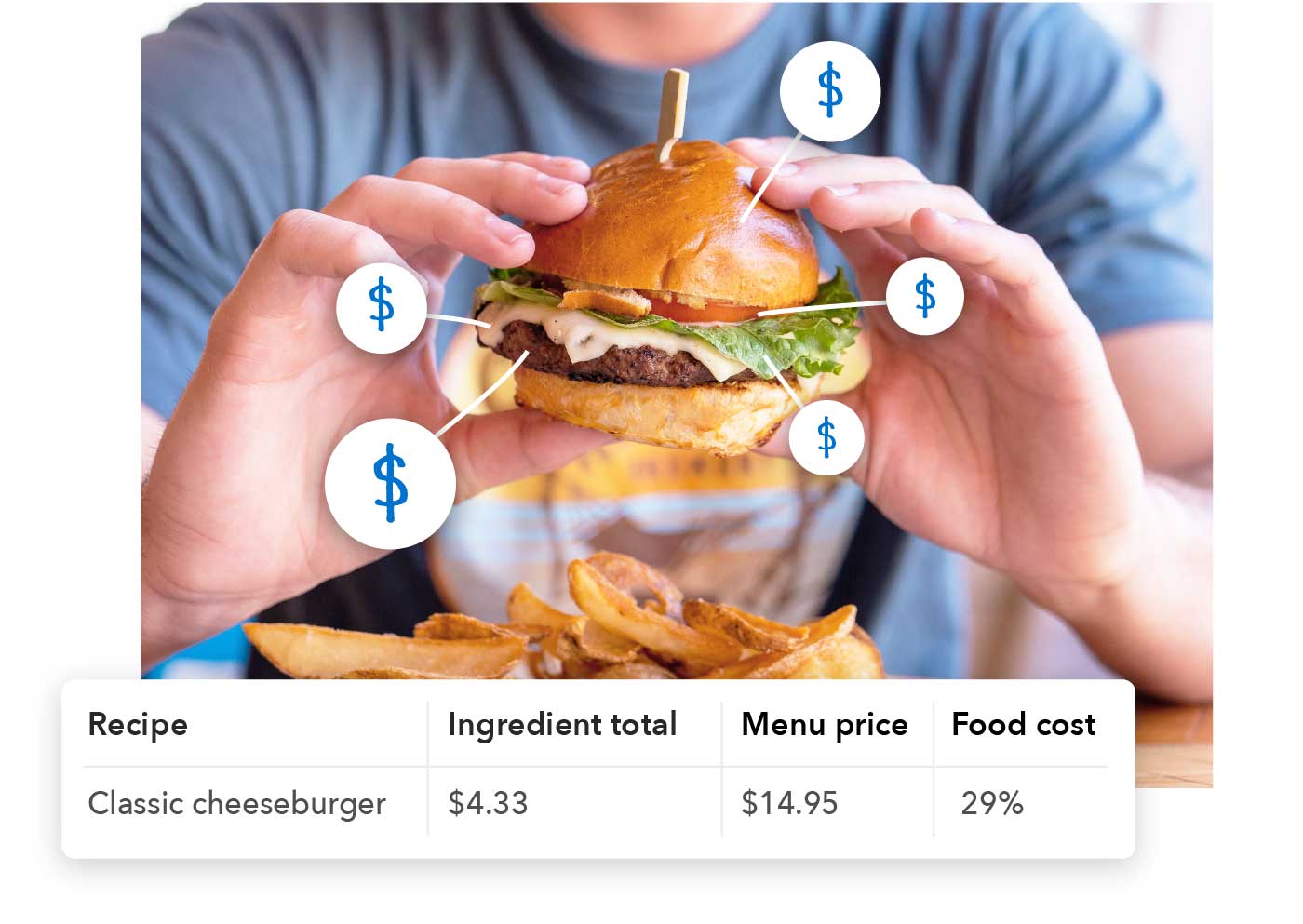
Understanding the difference could help restaurant owners shift their perspective on restaurant finances.
Look at what happens during a normal week. Customers pay for food. Employees have to be paid. The invoices for food and drinks are sent. Rent is due. The timing of debits to credit cards differs. Sales tax is collected but it comes with an obligation.
The purchasing for the coming week has already started.
Looking just at revenue or the ending profit number leaves out a lot of the work.
The Secret Could Be Hidden in Prime Cost
Food, beverages and labor costs are worth a closer at when profitability in restaurants begins to decrease.
Prime cost is composed from both products and labor. The bookkeeping chef’s guideline places the cost of goods sold at 60% to 65 percent for most restaurants and stresses weekly monitoring instead of staying until the end of of the month.
Effective primary cost management is less about worrying about a single percentage and more about spotting changes quickly.
Let’s say that a restaurant typically performs within its targets, but this week’s percentage is higher. Maybe overtime increased. Perhaps the cost of beverages remained steady however food prices soared. The chef may look over menus, waste, portion sizes as well as vendor invoices and purchasing if the food percentage is higher.
The percentage raises questions. The answer is found in the restaurant’s activity.
The reason this conversation can be relived is because everyone can still remember the details of what transpired.
After a period of two to three weeks, it becomes much more difficult to reconstruct details.
Then the Vendor Bills Show Up
A restaurant might purchase its ingredients this week but have to pay for the ingredients later. It’s because of this timing that understanding profits alone can not resolve all cash-related issues.
Vendor invoices should be received, recorded and tracked before being paid. This could be quite a task in the case of a business with numerous suppliers.
Automating the account payable process can streamline this process by reducing the repeated handling of bills and payments. The account owner will have better insight into the obligations that haven t hit their bank accounts by utilizing connected bookkeeping systems.
This is advantageous, since the balance of your bank account may appear healthier than a restaurant’s real near-term situation.
It could be that there is $80,000 in the account as of today. It could mean something different if payroll, rent and vendors as well as other commitments consume a significant portion of it over the next several days.
Forecasting cash flow is a natural outcome.
What will happen with our cash after we’ve gotten the money that we expect and met all of our obligations?
The distinction could be important in determining if this is the right time to replace equipment, make an addition purchase, or maintain cash.
A portion of the Cash Wasn’t Yours at All
Sales tax highlights this especially well.
Restaurants receive money from customers that eventually will need to be dealt with in accordance with its tax obligations. If the money is mentally placed in the same category as operating cash, the bank balance can give a false idea of what’s available to spend.
Consistent records help restaurants comply with sales tax requirements while providing management an accurate view of their financial situation.
This is the reason restaurant accounting works better when financial responsibilities aren’t considered as distinct islands.
Prime cost affects margin. COGS and future payments are impacted by purchases from vendors. Payroll can affect both the labor and cash percentage. Cash flow is affected by the sales tax. The P&L shows financial performance, while forecasting aids management in looking ahead.
The pieces are joined.
Bookkeeping Chef combines restaurant-specific reports and system integrations. For operators who don’t want to spend their nights manually reconciling financial data, specialized outsourced bookkeeping services can handle much of the accounting workload without removing the owner from the financial conversation.
The last point is vital.
It’s not the aim of restaurant owners to cease checking their books just because someone else does. Owners should be provided with information in a form which helps them comprehend what’s going on.
Don’t believe that the P&L is incorrect if the bank account appears to be in good shape, but the P&L indicates that the restaurant earned money.
What happened between the two?
The answer to this question will provide more information about the restaurant, more than just the number.