Draw a box around a lift station on a civil plane and it’s easy to consider it as an independent piece of equipment.
The water is actually pumped from somewhere and sent to the station. The facility is also dependent on power, controls access to site structural components, and connections to the infrastructure around it.
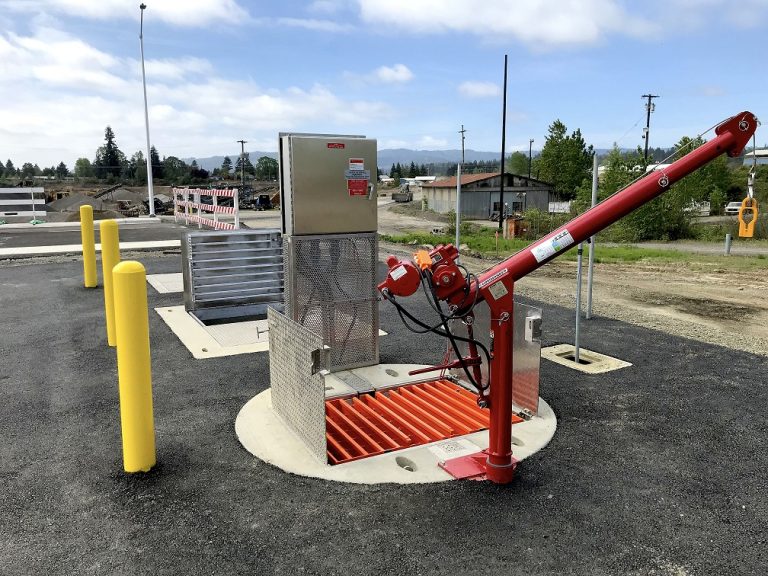
Image credit: romtecutilities.com
For project teams searching for the best lift station designers, one useful question is whether the engineering considers those interfaces not merely what happens inside the station.
Start to go upstream from the Wet Well
Take a look at a housing development. The waste water moves through the collection systems to the lift station. The elevation of the site and the incoming conditions of flow determine how much the station can manage.
Once wastewater reaches wet wells and another set of engineering decisions begin. The piping and pumps, the valves and controls, the structural elements, and even additional components must be appropriate for the purpose.
Romtec Utilities is a wastewater design company that creates systems that meet the unique needs of each location that is industrial, commercial, or municipal.
This is because the project-specific process can be vital, as changes in the flow of water can affect what the pumping system needs to do.
Follow the Water Beyond the Pumps
The issue does not stop once the liquid has left the well. The pumping system needs to move it against the conditions in the downstream system. The design and selection of the station are influenced by necessary flow rate and head pressure.
It is essential to think about this factor when evaluating top wastewater designers. The pump might have amazing specifications on its own however its performance must to fit within the overall hydraulic system.
Romtec Utilities is able to develop all the components that comprise the pumping plant, which includes the structure as well as the mechanical, electrical and the communication, as a whole. This assists in coordinating the equipment for the project.
Stormwater has its own network of connections
Stormwater is an intricate infrastructure puzzle. Runoff can enter a collection system from developed surfaces and later move through treatment, detention, drainage, or flood-management infrastructure. In the event that pumping is necessary, the station becomes a single link in that larger stormwater strategy.
For organizations searching for the most effective designers of stromwater systems, it is worth examining whether conditions at the site flow rates, head requirements as well as environmental aspects and the surrounding stormwater plans are considered together.
Romtec Utilities supplies customized stormwater pumping systems for commercial, residential industrial, municipal and projects instead of relying upon one configuration for each application.
Coordination Extends Above Ground Too
Not all interfaces require piping. Electrical service is required to support equipment. Control and communication equipment must fit project requirements. Contractors must have the right plans and documentation. For installation, startup and later services, physical access may be required.
The documentation for the system is particularly beneficial because these connections might include multiple disciplines and participants. Romtec Utilities offers complete plans and project documentation. It will also assist the systems right from start-up to commissioning and testing.
Look Outside the Station Boundary
If the connections to external components of a lift aren’t properly assessed, a well-designed lift station can still be part if an uncoordinated project.
Water gives a different perspective on design. Where does it originate? In what conditions does it reach the station? What happens when it’s there? What happens when it’s out? What infrastructure supports the entire process?
When you answer these questions, the design of a lift station is more than a simple device. It is now a part of the infrastructure engineering.